Robot with Touchscreen Display Graphics and Crafts Review
In the world of content marketing and small business branding, visual consistency is not just an aesthetic choice; it is a strategic necessity. As a brand designer who has spent years helping clients refine their visual identity, I often encounter assets that promise versatility but deliver clutter. Recently, I evaluated a specific graphic design asset titled "Robot with Touchscreen Display" to determine its viability for real-world commercial campaigns. This review explores how this classic black and white robot illustration can function within modern marketing visuals, particularly for digital sellers, creative entrepreneurs, and brands looking to inject personality into their digital products.
First Impressions: Mood and Audience Perception
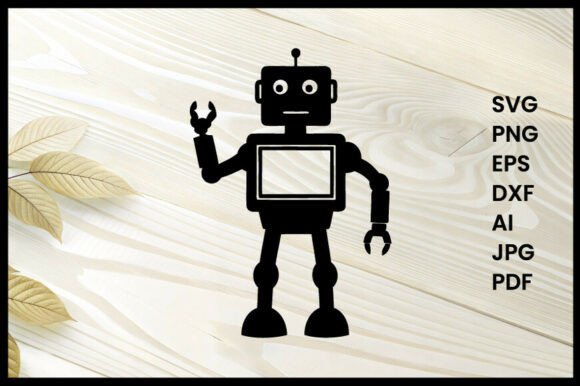
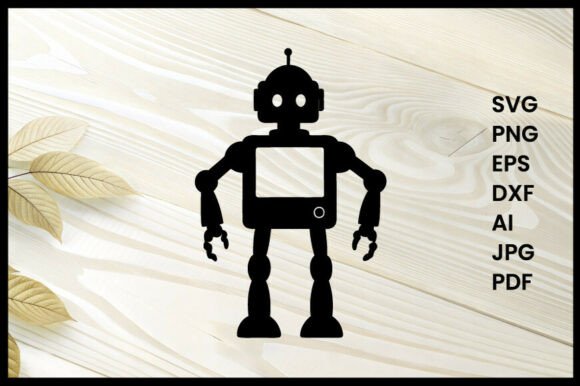
The moment you engage with the "Robot with Touchscreen Display" asset, the immediate takeaway is its stark, high-contrast simplicity. Described as a classic black and white robot with a screen on its chest, this illustration leans heavily into a retro-futuristic or minimalist tech aesthetic. For a brand owner, this creates a specific mood: one of curiosity, innovation, and approachable technology.
From a brand identity perspective, the monochromatic palette is a significant advantage. It allows the asset to integrate seamlessly into almost any color scheme without clashing. Whether your brand utilizes bold primary colors for a playful vibe or muted earth tones for a lifestyle-focused approach, this creative design acts as a neutral anchor. The emotional tone it brings is professional yet whimsical. It suggests that the brand is forward-thinking but not overly serious. This makes it exceptionally suitable for casual branding, educational content, or tech-related startups that want to appear friendly rather than corporate.
Practical Application in Real Marketing Workflows
To understand the true value of this asset, we must look at how it performs in actual campaign scenarios. Imagine a small business launching a new line of smart home gadgets or an online coach teaching digital literacy. In this context, the "Robot with Touchscreen Display" serves as more than just decoration; it becomes a visual shorthand for the core message.
- Social Media Graphics: On platforms like Instagram and Pinterest, where attention spans are short, the clean lines of the robot stand out against busy feeds. It works perfectly as a hero graphic for posts about automation, AI tools, or future trends.
- Packaging Design: For physical products, this printable design can be scaled down for product labels or packaging inserts. Its simplicity ensures that it remains legible even at smaller sizes, supporting better product presentation.
- Digital Ads: When used in Facebook ads or web design headers, the asset provides a strong focal point. The "touchscreen" element on the chest invites the viewer to imagine interaction, subtly encouraging clicks without being aggressive.
- Editorial Design: Bloggers and publishers can use this illustration to break up text-heavy articles. It adds a layer of visual hierarchy, guiding the reader’s eye through the content while maintaining a professional appearance.
Supporting Core Marketing Goals
A successful design asset must do more than look good; it must support broader marketing goals. Here is how this robot illustration contributes to those objectives:
- Stronger First Impression: The unique silhouette of a robot with a visible interface grabs attention immediately. It differentiates your content from generic stock photography.
- Clearer Visual Hierarchy: Because the design is minimal, it does not compete with your typography. This allows your headline and call-to-action to remain the primary focus, ensuring better engagement.
- Better Audience Trust: Consistent use of high-quality, coherent illustrations builds audience trust. It signals that the brand cares about detail and professionalism.
- Emotional Connection: The character-like nature of the robot fosters a subtle emotional connection. It humanizes technology, making complex topics feel more accessible to your audience.
Strategic Placement and Best Uses
To maximize the impact of this modern design, strategic placement is key. It excels as a decorative brand element in hero graphics and campaign headers. For instance, if you are creating a Canva template for a webinar series on robotics, this asset would serve as the perfect recurring motif.
It is also highly effective for promotional banners and event flyers. The classic black and white style lends itself well to both digital and print mediums. You can easily adapt it for merchandise such as stickers, t-shirts, or tote bags, expanding your revenue streams through commercial design opportunities. Furthermore, it fits naturally into content bundles aimed at educators or tech enthusiasts, enhancing the perceived value of your digital products.
Where Caution Is Required
Despite its versatility, no single asset is a universal solution. There are specific contexts where the "Robot with Touchscreen Display" should be used carefully:
- Formal Corporate Branding: If your brand aims for a strictly serious, legal, or financial tone, this playful illustration may undermine your authority.
- Dense Information Layouts: Avoid placing this asset in layouts already crowded with text or data. It needs breathing room to be effective.
- Small Mobile Graphics: While scalable, intricate details might get lost on very small screens. Always test readability before finalizing.
- Low-Contrast Backgrounds: Since the asset is primarily black and white, it may disappear on light gray or pastel backgrounds. Ensure sufficient contrast to maintain visibility.
Professional Designer Notes for Implementation
Before integrating this SVG design or PNG design into your workflow, consider these practical tips:
Color Palette Testing: Even though the asset is monochrome, apply your brand’s accent colors to the touchscreen area or surrounding elements to see how it harmonizes. This helps in creating a cohesive brand identity.
Typography Pairing: Experiment with different font styles. A sans serif font complements the modern tech vibe, while a handwritten font can add a personal, approachable touch. Avoid overly ornate fonts that clash with the geometric lines of the robot.
Mockup Preview: Place the asset inside real campaign mockups. Check how it looks on a smartphone screen versus a desktop monitor. This step is crucial for verifying visual consistency across devices.
Licensing Verification: Finally, always confirm the commercial license terms. Ensure you have the right to use the asset in paid campaigns, client work, and resellable digital products. This protects your business from potential legal issues and supports ethical creative marketplace practices.
In conclusion, the "Robot with Touchscreen Display" is a robust graphic design asset that offers significant value for brands seeking to blend technology with approachability. By understanding its strengths and limitations, marketers and designers can leverage it to create memorable, professional, and engaging marketing visuals that resonate with their target audience.