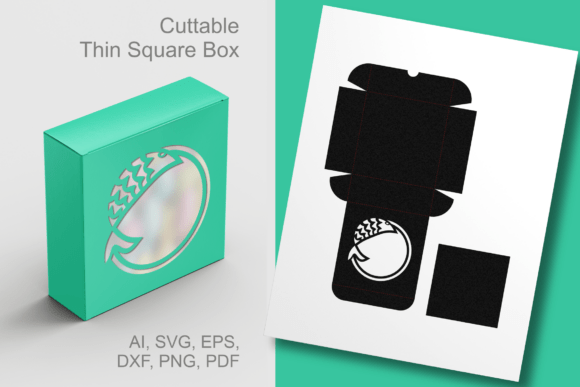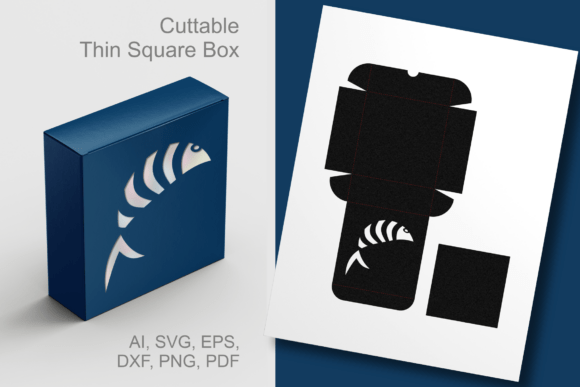
Fish Cutout 1 Thin Square Box Template Review
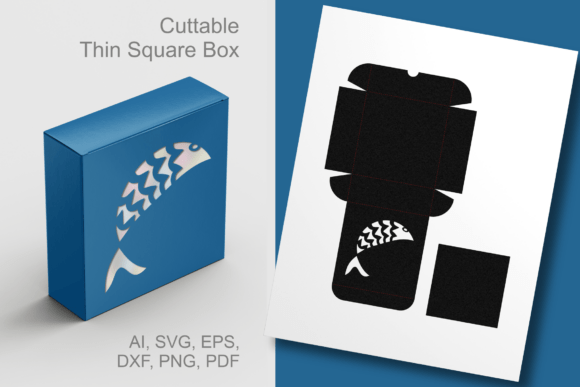
As a designer who has spent years stitching everything from high-end corporate patches to delicate baby christening gowns, I know that the difference between a good project and a great one often comes down to the initial design choice. Today, I am taking a close look at the Fish Cutout 1 Thin Square Box Template. At first glance, this file presents an interesting challenge: it is described as a laser cutting template for a favor box, yet the question remains whether its visual language translates effectively into a machine embroidery context.
The concept of a "Fish Cutout" within a square frame immediately evokes a nautical or aquatic theme. However, when we shift our focus from a physical paper craft to a digital embroidery file intended for fabric, the mood shifts from simple utility to decorative storytelling. The thin square box structure suggests a contained, graphic aesthetic rather than a sprawling, organic floral pattern. This makes it particularly suitable for projects where branding or a specific icon needs to stand out without overwhelming the garment or accessory.
Visual Personality and Design Mood
When I first loaded the design preview, the clean lines of the square box stood out against the implied background. The "cutout" nature of the fish detail implies negative space, which is a crucial element in embroidery. In a real-world scenario, if this design were applied to a tote bag or a kitchen towel, the square border would act as a frame, drawing the eye directly to the central motif. It feels structured, modern, and slightly playful.
This layout works exceptionally well for commercial embroidery projects where consistency is key. Unlike freehand designs that might vary slightly with every stitch, the geometric precision of the square box ensures that every finished product looks identical. For an Etsy seller or a small shop owner, this reliability is invaluable. It creates a sense of professionalism and brand consistency that customers appreciate. The design doesn't scream for attention; instead, it offers a sophisticated, understated charm that fits perfectly with boutique branding.
Real-World Application: A Case Study
To truly understand how the Fish Cutout 1 Thin Square Box Template performs, let's imagine a practical scenario. I was recently approached by a client who runs a local bakery specializing in sea-themed cupcakes and wants to launch a line of branded aprons and gift boxes for their holiday season.
The client wanted something unique but not too literal. They considered a full-color fish illustration, but worried it would look dated on a dark navy apron. Instead, they decided to test the Fish Cutout 1 design. We chose a deep teal thread for the box outline and a lighter, sandy beige for the fill stitches. The result was striking. The square frame provided a solid anchor on the chest of the apron, while the cutout detail added a touch of whimsy without requiring excessive thread density.
The final finished product looked incredibly polished. When paired with a matching embroidered patch for a tote bag, the collection felt cohesive. Customers didn't just see a logo; they saw a thoughtfully designed piece of merchandise. The design elevated the perceived value of the items, making them feel like premium gifts rather than generic promotional swag. This kind of thoughtful application is exactly what separates a hobbyist from a professional designer.
Performance on Different Fabrics and Projects
The versatility of this design depends heavily on the substrate. Because the design features a defined box shape, it requires a stable surface to maintain its integrity. On a sturdy canvas tote bag or a heavy cotton tea towel, the stitch density holds up beautifully. The satin stitch outlining the square box provides a crisp edge that resists fraying over time.
However, caution is required when moving to more challenging materials. If you attempt to use this design on a stretchy knit fabric like a standard t-shirt without proper stabilization, the square frame may pucker, ruining the geometric illusion. Similarly, on textured fabrics like fleece or thick sweatshirt material, the fine details of the fish cutout might get lost in the pile. In these cases, the design might need to be resized or simplified to ensure the details remain visible.
For baby embroidery projects, such as onesies or bibs, this design could work wonderfully if scaled appropriately. The soft curves of the fish combined with the gentle square frame create a soothing, nursery-friendly aesthetic. Just ensure that the thread colors are soft pastels to match the delicate nature of baby items. Conversely, for holiday embroidery gifts, using metallic threads for the box border can add a festive sparkle that catches the light beautifully.
Navigating Technical Challenges
One of the most critical aspects of using any embroidery file is understanding where it should be used carefully. The Fish Cutout 1 Thin Square Box Template contains specific areas of detail that require precision. If you are working with a small hoop size, you must verify that the entire design fits comfortably without cutting off corners. A cropped square box looks unfinished and unprofessional.
Dense stitch areas are another consideration. If the design includes significant fill stitches within the fish cutout, it may become too stiff for certain applications like caps or curved surfaces. The tension of the stitches on a curved hat brim can distort the square shape, so testing on a scrap piece of the same fabric is non-negotiable. Additionally, for products that need frequent washing, such as custom apparel or kitchen linens, ensure that the stabilizer used matches the weight of the fabric to prevent the design from pulling away after laundering.
Design Notes for the Professional Maker
Before committing this design to a large production run, there are several steps every experienced designer takes. First, always test the design on scrap fabric. This allows you to check thread color contrast and inspect small details that might disappear under the needle. I also recommend creating black and white mockups to see how the design reads in grayscale, ensuring that the contrast is sufficient even if your customer uses monochromatic threads.
Reviewing the stitch density is essential. If the design is too dense, it can cause puckering on lightweight fabrics. If it is too sparse, the image may lack definition. Confirming the correct hoop size and using the appropriate stabilizer—whether tear-away, cut-away, or water-soluble—is vital for a clean finish. For digital embroidery file users, checking the file format compatibility with your specific machine is a must.
Finally, consider the licensing terms. If you plan to sell handmade products featuring this design, you must confirm whether the license covers commercial use. Many designers offer different tiers for personal vs. commercial projects. Understanding these terms protects your craft business and ensures you are operating ethically.
Final Thoughts on Value and Appeal
The Fish Cutout 1 Thin Square Box Template is more than just a shape; it is a versatile tool for creative entrepreneurs. Its ability to bridge the gap between a modern graphic element and traditional embroidery makes it a valuable asset for Etsy sellers, small shop products, and printable mockups. Whether you are creating personalized gifts, designing embroidered patches, or launching a new line of apparel decorators merchandise, this design offers a reliable foundation for success.
By paying attention to fabric selection, stabilization, and thread choices, you can transform this digital asset into a tangible masterpiece that delights customers. It reminds us that the best designs are those that respect the medium while pushing the boundaries of what is possible. With careful execution, this template can elevate your work from simple stitching to true artistry.