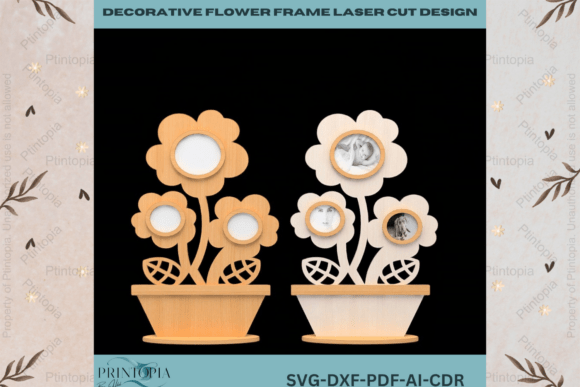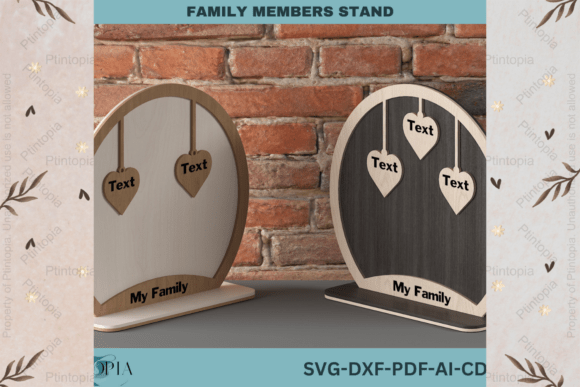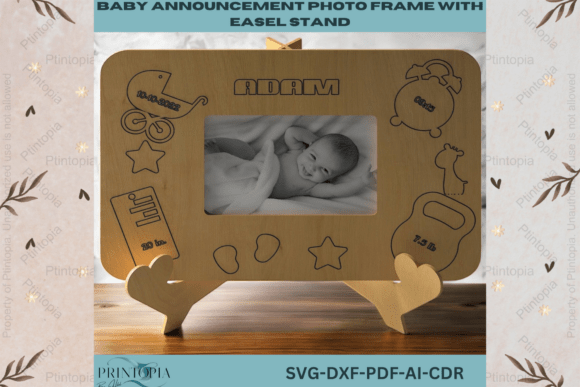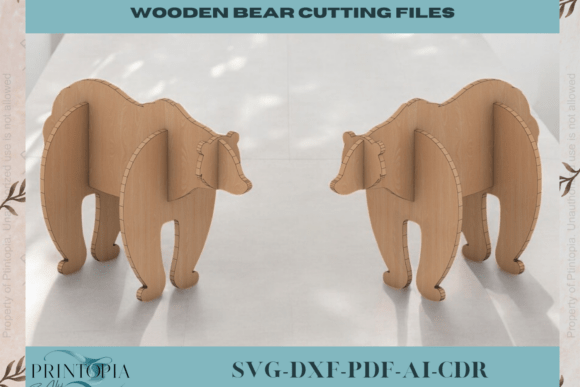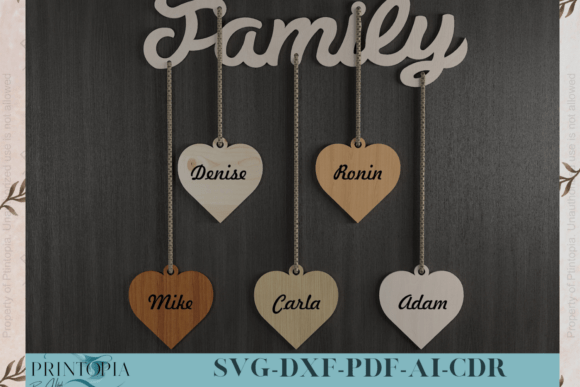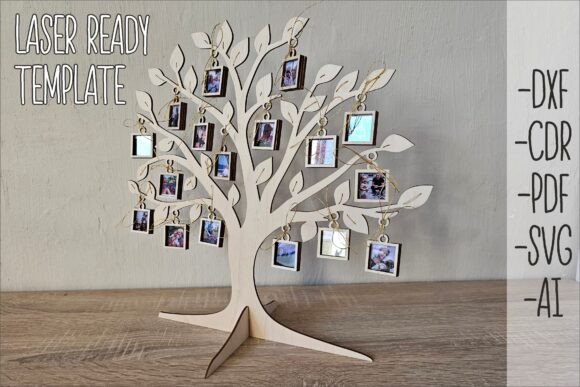
Family Tree Laser Cut File, Photo Frame
As a brand designer who spends most of my day translating abstract business values into tangible visual identities, I am constantly evaluating design assets for their potential in real-world applications. Today, I am reviewing the Family Tree Laser Cut File, Photo Frame, a digital asset that promises to bring a sense of heritage and connection to physical spaces. While categorized under Other Home Decor and defined by its Laser Cutting capabilities, this asset offers far more than just a decorative silhouette; it represents a structural element that can anchor a brand’s narrative. For small business owners, boutique retailers, and creative entrepreneurs, understanding how such an intricate design translates from screen to shelf is crucial for effective small business branding.
The First Impression: Heritage Meets Modern Craft
When I first loaded the file, the immediate mood it conveyed was one of warmth, nostalgia, and organic elegance. The interlocking branches of the family tree create a natural visual hierarchy that draws the eye inward, suggesting growth, connection, and stability. This is not a rigid, corporate geometric shape; it feels handmade, approachable, and deeply human. For a local business—whether it is an artisanal bakery, a skincare line using botanical ingredients, or a boutique selling vintage-inspired clothing—this asset suggests a brand personality that values tradition, quality, and personal stories.
The design evokes a rustic yet refined aesthetic. It fits seamlessly into brands that want to appear premium without being cold or minimalist. The negative space inherent in laser-cut designs allows light to pass through, creating dynamic shadows and depth when printed on cardstock or used as packaging accents. This tactile quality is essential in today’s market, where customers crave sensory experiences that go beyond simple visual recognition. By incorporating elements like the Family Tree Laser Cut File, Photo Frame, businesses can signal that they care about the details, fostering an immediate emotional connection with their audience.
Practical Applications in Packaging and Identity
In my experience designing for local clients, the versatility of high-quality graphic design assets often determines the success of a product launch. This specific asset is particularly powerful when integrated into packaging design. Imagine a gift box for a handmade soap brand or a luxury candle company. Using this tree motif as a die-cut window or a foil-stamped overlay on the exterior creates an unboxing experience that feels curated and special. It transforms standard cardboard into a canvas for storytelling.
Beyond packaging, this asset supports various aspects of brand identity. It can serve as a subtle background texture on product labels or hang tags, adding depth without overwhelming the typography. For marketing visuals, such as social media graphics or website banners, the tree structure provides a strong framework for displaying multiple products or testimonials. A florist might use the branches to frame images of seasonal bouquets, while a children’s product brand could use it to showcase different items in a cohesive grid. The ability to integrate this design into social media graphics ensures that your online presence remains consistent with your physical products, building stronger professional branding across all touchpoints.
Elevating Customer Trust and Shelf Appeal
One of the primary goals of any local business is to build trust. Customers often make purchasing decisions within seconds of seeing a product. A well-executed design element like this laser cut file contributes to a polished look that implies professionalism. When a customer sees a product mockup featuring intricate, precise design work, they subconsciously associate that precision with the quality of the product itself. This improved visual hierarchy helps guide the consumer’s eye to key information, such as the product name or price, while the decorative elements provide context and appeal.
Furthermore, this asset enhances shelf appeal. In a crowded retail environment, unique textures and shapes stand out. The organic lines of the tree contrast effectively with the rectangular forms of typical packaging, making the product pop. For handmade businesses, this is particularly valuable as it bridges the gap between artisanal charm and commercial viability. It allows a small seller to present their goods with the same level of polish as larger competitors, thereby increasing perceived value and potentially allowing for higher price points.
Strategic Placement and Design Considerations
While the Family Tree Laser Cut File, Photo Frame is versatile, it must be used strategically to maintain clarity and impact. It works best as a hero graphic, a decorative border, or a structural element in printable design projects. However, there are scenarios where caution is advised. For instance, in formal corporate branding where minimalism and stark simplicity are preferred, this ornate design might feel too busy. Similarly, on very small labels or in layouts already crowded with text, such as ingredient lists or legal disclaimers, intricate vector art can become illegible or visually noisy.
It is also important to consider the background. This asset performs poorly on low-contrast backgrounds or when placed over busy photographic images that compete for attention. For luxury minimalist brands, the complexity of the tree might detract from the clean aesthetic they strive for. Instead, reserve this design for contexts where warmth and decoration are desired, such as seasonal campaign visuals, holiday packaging, or promotional inserts that aim to evoke emotion rather than convey dense information.
Technical Notes for the Design Professional
Before integrating this asset into a client project, several technical checks are necessary. First, always test the design on real product mockups to ensure the scale is appropriate. What looks good on a large poster may lose detail when reduced to a tiny hang tag. Check the black-and-white usage to ensure the lines remain distinct at various sizes. If you are using this for print, verify the PNG transparency or inspect the SVG design files for editability, ensuring you can adjust stroke weights or colors to match your client’s brand palette.
Typography pairing is another critical factor. Test the tree motif alongside serif fonts for a classic look, sans-serif fonts for modern contrast, script fonts for elegance, or handwritten fonts for a casual vibe. Ensure the font style complements rather than clashes with the organic curves of the design. Additionally, compare your layout with competitor packaging to ensure your use of the asset stands out positively. Finally, confirm that you have a valid commercial license before using this asset for client work, physical product sales, or mass-produced marketing materials. Understanding the licensing terms protects both the designer and the business owner from legal issues down the line.
Conclusion
The Family Tree Laser Cut File, Photo Frame is more than just a decorative clipart; it is a tool for building emotional resonance in visual hierarchy. By thoughtfully integrating this asset into packaging design, promotional ads, and editorial design projects, local businesses can create a cohesive and compelling brand story. Whether you are a creative entrepreneur launching a new line or a marketer refreshing an existing identity, this design asset offers the depth and character needed to connect with customers on a deeper level. Used wisely, it elevates everyday products into memorable keepsakes, reinforcing the value of your brand in every interaction.