Decorative Easter Bunny Egg Laser Cutting Spring Amp Review
As a brand designer who has spent years helping small businesses and content creators build cohesive visual identities, I approach every new graphic design asset with a mix of creative excitement and strategic skepticism. It is not enough for a design to simply look pretty; it must serve a purpose in communication, support the brand’s voice, and integrate seamlessly into marketing workflows. Recently, I evaluated Decorative Easter Bunny Egg, a versatile SVG design file that claims to offer intricate patterns and charming details suitable for seasonal campaigns. This review breaks down how this asset performs in real-world branding scenarios, from social media graphics to packaging design.
First Impressions: Mood and Visual Tone
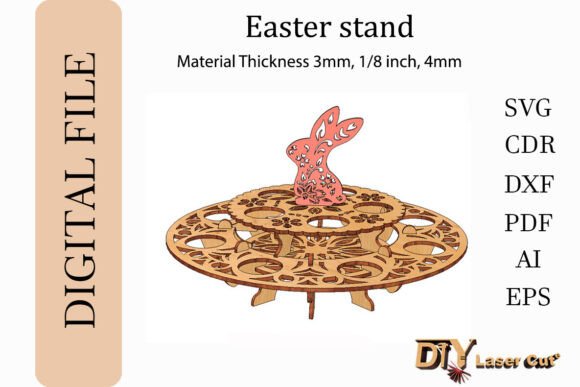
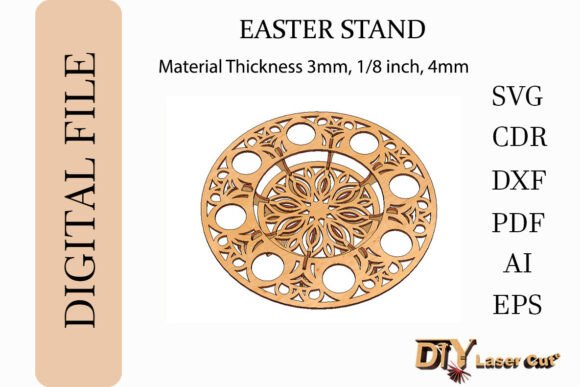
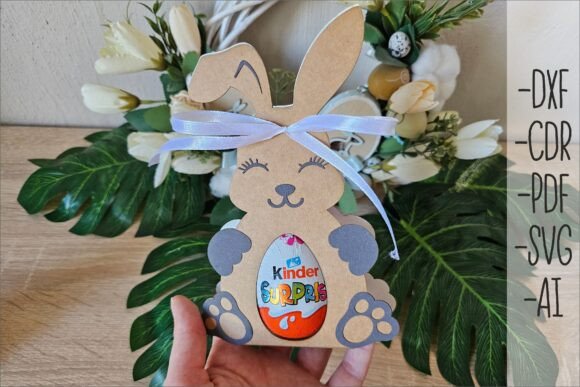
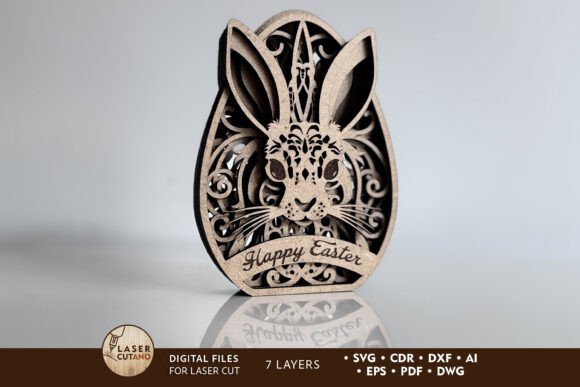
The moment you open the files, the quality of the vector lines becomes apparent. The description notes that these are "intricately designed Easter eggs adorned with delightful patterns," and my initial assessment confirms this. The mood created by Decorative Easter Bunny Egg is one of whimsical elegance. It strikes a balance between playful and polished, which is crucial for spring-themed marketing materials. Unlike some clipart that feels overly cartoonish or cheap, this design carries a level of sophistication that can elevate small business branding.
This emotional tone makes it highly suitable for lifestyle content, handmade product promotions, and editorial graphics. If your brand focuses on artisanal goods, organic skincare, or children’s products, the delicate detailing of the egg patterns aligns well with those values. However, for brands aiming for a stark, ultra-minimalist aesthetic, the density of the patterns might feel slightly too busy without significant negative space management.
Integrating the Asset into Marketing Workflows
In my recent project for a boutique candle company launching a spring collection, we needed a unifying visual element for their digital ads and packaging inserts. We tested Decorative Easter Bunny Egg across various mediums. Here is how it performed in key areas:
- Social Media Graphics: When used as a background element behind text overlays for Instagram posts, the intricate patterns provided texture without overwhelming the message. It worked exceptionally well for Pinterest pins, where detailed visuals tend to stop the scroll.
- Packaging Design: For product labels, the clean vector lines allowed us to scale the design up or down without pixelation. We used it as a border accent on our eco-friendly tags, adding a touch of premium feel to the product label design.
- Digital Ads: In Facebook ads, simplicity is key. By isolating specific pattern elements from the full illustration, we created a subtle backdrop that improved audience trust by making the ad look professionally designed rather than generic.
- Email Banners: The asset served as a hero graphic for our newsletter headers, creating a strong first impression that aligned with the seasonal theme.
The versatility of the SVG design meant we could easily manipulate colors to match our brand palette, ensuring visual consistency across all touchpoints.
Supporting Core Marketing Goals
A great graphic design asset should do more than just decorate; it should drive engagement and reinforce brand recognition. Decorative Easter Bunny Egg supports several critical marketing goals:
- Stronger First Impression: The intricate details catch the eye immediately, signaling attention to detail—a trait customers associate with high-quality products.
- Clearer Visual Hierarchy: When used correctly, the natural flow of the patterns guides the viewer’s eye toward the primary call-to-action, improving the overall effectiveness of marketing visuals.
- Better Product Presentation: Placing this asset around product photography adds context and enhances the perceived value of the item being sold.
- Emotional Connection: Spring imagery evokes renewal and joy. Using this asset helps tap into those positive emotions, fostering a deeper connection with your audience.
Optimal Use Cases for Seasonal Campaigns
To get the most out of this design bundle, consider placing it in high-impact areas where visual appeal is paramount. It works best as:
- Hero Graphics: Use the full composition for website headers during the Easter season to create an immersive experience.
- Branded Templates: Incorporate the pattern elements into Canva templates for your followers, extending your brand reach.
- Promotional Banners: Use as a decorative frame for limited-time offers, making the promotion feel special and timely.
- Editorial Layouts: Integrate into blog post graphics or downloadable lead magnets to add a professional polish to free resources.
Where to Exercise Caution
No single asset fits every scenario. There are specific contexts where Decorative Easter Bunny Egg should be used carefully or avoided entirely:
- Formal Corporate Branding: If your brand identity is strictly corporate and conservative, this whimsical design may clash with your professional image.
- Dense Information Layouts: Avoid using the full detailed illustration as a background for text-heavy pages. The patterns can interfere with readability.
- Small Mobile Graphics: At very small sizes, intricate details can blur together. Always test the asset at actual display sizes on mobile screens to ensure clarity.
- Low-Contrast Backgrounds: Ensure there is sufficient contrast between the asset and its background. On light pastel backgrounds, darker line work may disappear, while on dark backgrounds, white highlights may get lost.
Practical Brand Designer Notes
Before integrating this asset into your final campaign, I recommend following these practical steps to ensure professional results:
Color Palette Testing: Do not assume the default colors will fit your brand. Test the asset with your primary brand colors. Does it harmonize? Does it stand out appropriately?
Monochrome Check: Preview the design in black and white. This helps you understand the structural integrity of the illustration. If the design loses its impact without color, it may rely too heavily on fill rather than form.
Typography Pairing: Experiment with different font styles. A serif font can enhance the classic, elegant feel of the egg patterns. A sans serif font can modernize the look, making it feel fresh and contemporary. A script font might complement the whimsical nature but risks looking cluttered if not balanced with ample whitespace.
Mockup Integration: Place the asset inside real campaign mockups, such as a printed flyer or a smartphone screen, before finalizing. This reveals spacing issues or balance problems that are hard to spot on a blank canvas.
Licensing Verification: Finally, always confirm the commercial license. If you are using this for paid campaigns, client work, or business branding, ensure you have the right to use the commercial design to avoid legal complications.
In conclusion, Decorative Easter Bunny Egg is a robust creative design tool that can significantly enhance your spring marketing efforts. Its intricate details and adaptable format make it a valuable addition to any content creator’s toolkit. By understanding its strengths and limitations, you can leverage this asset to create memorable, professional, and engaging visual content that resonates with your audience.